
























































 Quick Reorder
 Recycle your
 Compost your
 Subscription


 Assinatura
 Machine comparison
 Machine Help Centre
 Descaling kit










 FAQs
FAQs Machine help centre
 Contact us


Where do Arabica Beans grow?
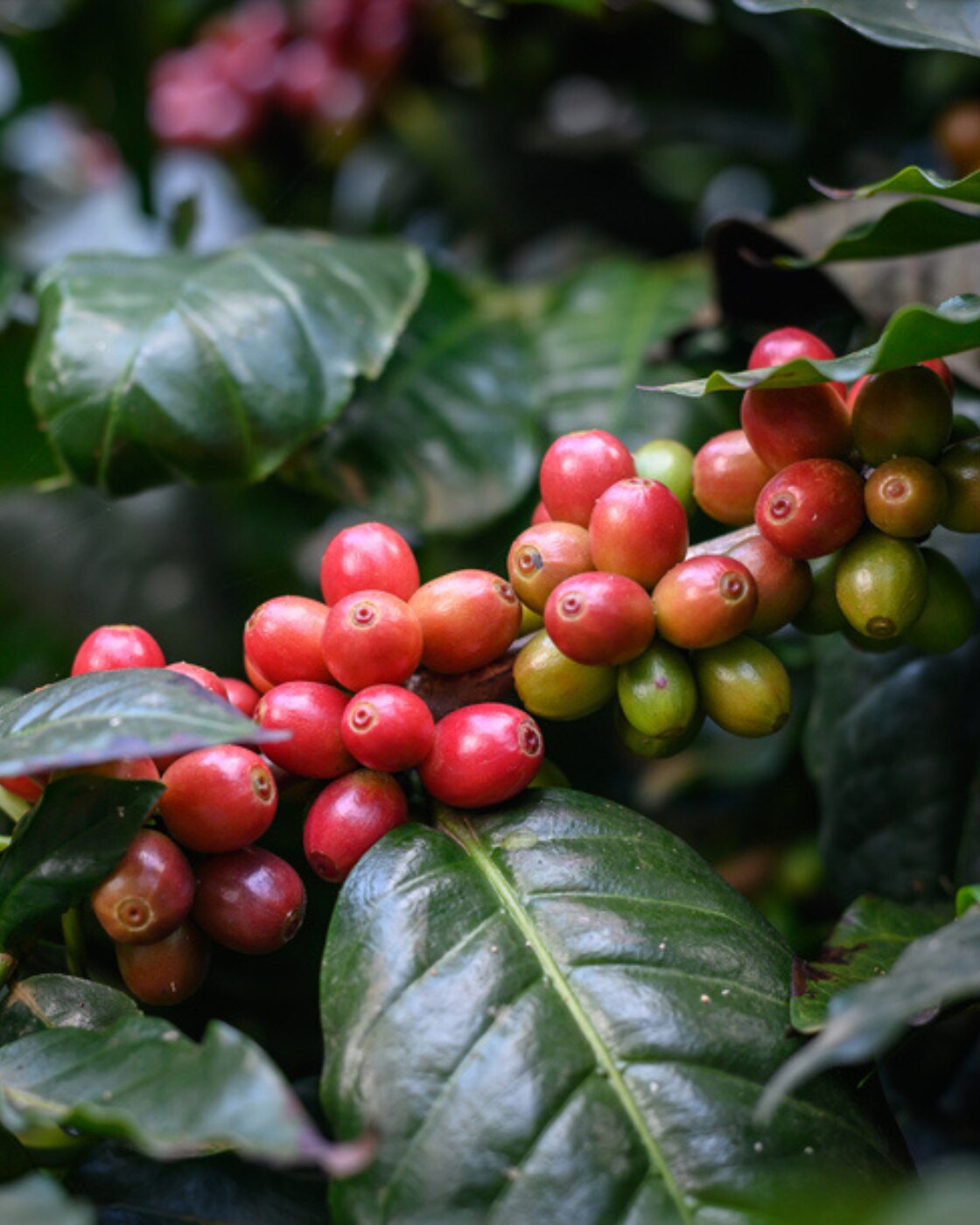
Arabica beans are quite the jet-setters. They prefer higher altitudes and cooler climates, thriving in countries along the equatorial zone. Major producers include Brazil, Colombia, Ethiopia (the birthplace of coffee), and Central American countries like Honduras and Guatemala. You'll also find these beans in the highlands of East Africa and parts of Asia, including India and Indonesia.
Types of Arabica Coffee
Arabica's family tree is quite extensive, with several types that coffee enthusiasts rave about. Here are just a few:
Typica: This is the archetype of Arabica, the 'typical' bean, if you will, and parent to many other varieties.
Bourbon: Known for its complex acidity and excellent balance, it's a direct descendant of the original coffee trees from the island of Bourbon, now known as Réunion.
Caturra: A mutation of Bourbon coffee, Caturra is short and bushy, making it resistant to wind and rain.
Mundo Novo: A naturally occurring hybrid of Bourbon and Typica, boasts a large body and was first identified in 1940 in São Paulo, Brazil.
Pache: Originating in Guatemala in 1949, Pache is a compact variety known for yielding exceptionally large coffee beans.
Typica: This is the archetype of Arabica, the 'typical' bean, if you will, and parent to many other varieties.
Bourbon: Known for its complex acidity and excellent balance, it's a direct descendant of the original coffee trees from the island of Bourbon, now known as Réunion.
Caturra: A mutation of Bourbon coffee, Caturra is short and bushy, making it resistant to wind and rain.
Mundo Novo: A naturally occurring hybrid of Bourbon and Typica, boasts a large body and was first identified in 1940 in São Paulo, Brazil.
Pache: Originating in Guatemala in 1949, Pache is a compact variety known for yielding exceptionally large coffee beans.
How strong is Arabica Coffee?
When we talk about the strength of coffee, we usually refer to its flavour intensity and caffeine content. Arabica beans are generally milder and have less caffeine than Robusta. However, the strength can also depend on how the coffee is roasted and prepared. A dark roast Arabica can have a strong flavour, but it still won't pack the same caffeine punch as Robusta.
What is Robusta Coffee?
Robusta, on the other hand, is like the rugged countryside to Arabica's urban elegance. Scientifically named Coffea canephora, Robusta beans are hardier and can grow at lower altitudes. They have a reputation for being more bitter and less acidic, with a stronger, harsher taste. They also contain nearly twice the amount of caffeine compared to Arabica, which not only gives a stronger taste but also makes the plant more resistant to pests and diseases.