





























































 Quick Reorder
 Recycle your
 Compost your
 Subscription


 Assinatura
 Machine comparison
 Machine Help Centre
 Descaling kit










 FAQs
FAQs Machine help centre
 Contact us

Italian coffee culture
Italy’s coffee scene isn’t just famous – it’s legendary. For a start, you’ll find several quaint cafés with menus consisting of coffees beyond what you’ll commonly find and baristas ready to serve you the freshest coffee.
Italians take their coffee seriously, with traditions and rituals that’ll leave you fascinated. Ever heard of a specific schedule for sipping your brew? Yep, it’s a thing! And that’s just the start! Grab your favourite mug and get ready to dive deep into the captivating world of Italian coffee culture.
Italians take their coffee seriously, with traditions and rituals that’ll leave you fascinated. Ever heard of a specific schedule for sipping your brew? Yep, it’s a thing! And that’s just the start! Grab your favourite mug and get ready to dive deep into the captivating world of Italian coffee culture.
How do Italians drink coffee?
Alright, let’s get into the topic around the Italian coffee schedule. First up, we’ve got the classic cappuccino. This wonderfully frothy coffee is typically consumed before 11am. But here’s the catch: a milky coffee is a morning drink and is never drunk after a meal.
Now, fast forward to the afternoon, bringing forward the caffè macchiato into play. This Italian coffee contains much less milk than other types and is usually served in a demitasse cup. Due to its smaller size, it’s not uncommon for a few cups to be enjoyed throughout the afternoon.
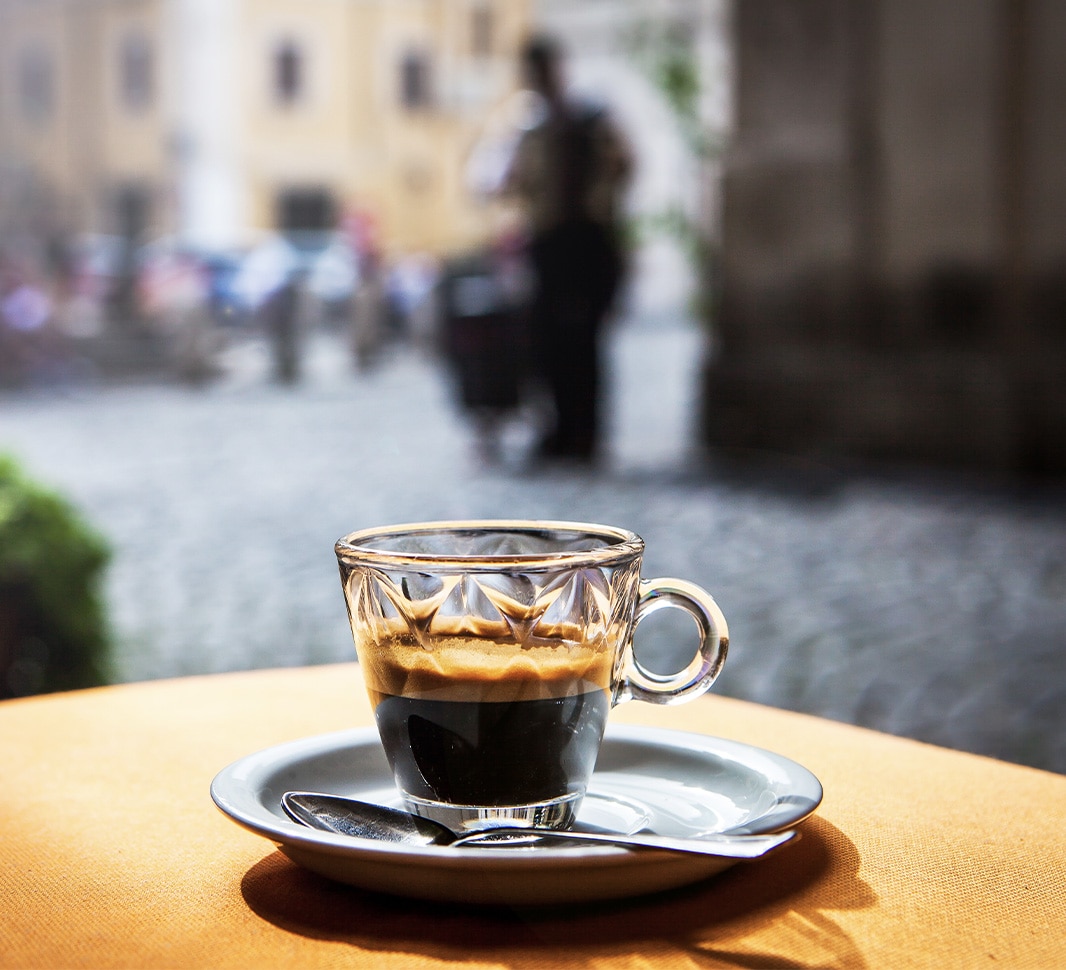
But wait, there’s more! After dinner, it’s espresso time. But be warned – it’s not called an espresso in Italy! It’s just caffè. (coffee) or caffè normale (normal coffee) – it is served black and enjoyed in small cups. It’s likely you’ll discover people sipping it all throughout the day but either way, there’s a perfect Italian coffee waiting for you!
Now, fast forward to the afternoon, bringing forward the caffè macchiato into play. This Italian coffee contains much less milk than other types and is usually served in a demitasse cup. Due to its smaller size, it’s not uncommon for a few cups to be enjoyed throughout the afternoon.
But wait, there’s more! After dinner, it’s espresso time. But be warned – it’s not called an espresso in Italy! It’s just caffè. (coffee) or caffè normale (normal coffee) – it is served black and enjoyed in small cups. It’s likely you’ll discover people sipping it all throughout the day but either way, there’s a perfect Italian coffee waiting for you!
Is Italian coffee stronger?
If you’ve ever wondered whether Italian coffee is stronger than other types, you’re not alone. Italian coffee, especially espresso, has a reputation for being bold and robust. But what does “stronger” really mean when it comes to coffee?
Bold flavours and rich aroma
Italian coffee is often perceived as stronger because of its intense flavour profile. This comes from the meticulous roasting process that Italian coffee beans undergo. Typically, Italian roasts are darker, which brings out deep, rich flavours and a bold aroma. When you take a sip of an Italian espresso, you’re greeted with a concentrated, delicious burst of coffee that can feel much more potent compared to lighter roasts.
Espresso: the heart of Italian coffee
The cornerstone of Italian coffee culture is the espresso. This small but mighty shot packs a punch due to its brewing method. An espresso machine forces hot water through finely-ground coffee at high pressure, extracting a concentrated shot with a layer of creamy crema on top. The result is a drink that’s full-bodied and rich, delivering a powerful coffee experience in just a few sips.
Strength in caffeine
While the flavour of Italian coffee might be strong, it’s a common misconception that it has significantly more caffeine. In fact, a standard shot of espresso contains about the same amount of caffeine as a regular cup of drip coffee. The difference lies in the concentration. Because espresso is served in a smaller volume, it may feel like you're drinking more caffeine, but you’re not actually consuming more caffeine per serving compared to other methods.
Versatility in preparation
Italian coffee culture also includes a variety of coffee drinks that offer different strengths and flavours. For example, a cappuccino or latte macchiato combines the boldness of espresso with the smoothness of steamed milk, creating a balanced and creamy beverage that’s less intense but still full of flavour. On the other hand, an Americano dilutes the espresso with hot water, making a milder yet still rich cup of coffee.
Do Italians drink iced coffee?
While Italy is famous for its rich, hot espresso and cappuccino, Italians do appreciate a refreshing coffee break, especially during the warm summer months. Let's explore the world of Italian iced coffee and discover some popular cold coffee drinks that are perfect for cooling down.
Caffè freddo
One of the most popular iced coffee drinks in Italy is the caffè freddo. This simple yet delicious beverage is made by chilling a shot of espresso and serving it over ice. It's slightly sweetened to balance the bold espresso flavour, making it a refreshing pick-me-up on a hot day. You can find caffè freddo in many Italian bars and cafes, especially during the summer.
Shakerato
The Shakerato is another Italian favourite. It's a frothy and invigorating drink made by shaking a shot of espresso with ice and a touch of sugar in a cocktail shaker. The result is a chilled, frothy coffee that’s both refreshing and stylish. Served in a martini glass, the shakerato is perfect for those who want to enjoy a sophisticated and cool coffee experience.
Granita di caffè
If you’re in the mood for a coffee treat that’s more like a dessert, try the granita di caffè. This Sicilian specialty is a semi-frozen dessert made with strong coffee, sugar, and sometimes a hint of vanilla. The mixture is frozen and then scraped into icy, crystalline flakes. It’s typically served in a glass and often topped with a dollop of whipped cream. Granita di caffè is perfect for savouring slowly on a hot afternoon.
Affogato
For a delightful blend of coffee and dessert, you can’t go wrong with an affogato. This heavenly treat consists of a scoop of vanilla gelato or ice cream “drowned” with a shot of hot espresso. The hot coffee melts the gelato just enough to create a creamy, dreamy concoction that's both hot and cold. It’s a popular choice after meals and a must-try for any coffee lover.
Cold brew
While not traditionally Italian, cold brew coffee is gaining popularity in Italy, especially in trendy cafes. Made by steeping coarsely ground coffee beans in cold water for an extended period (usually 12-24 hours), cold brew coffee is smooth, less acidic, and naturally sweet. It’s often served over ice and can be customized with milk, cream, or flavoured syrups.